What if you could simply sleep through it all?
The headlines never seem to stop. Problems pile on top of one another. Work, family, finances, politics, the environment, technology, expectations. Every generation has imagined what it might be like to step away from it all, even if only for a little while. A long vacation. A cabin in the woods. A fresh start somewhere no one knows your name.
But what if you could do more than walk away?
What if you could sleep through the uncertainty and wake up years later, hoping the world had somehow sorted itself out?

It is a fascinating question because it asks us to examine not only the future, but ourselves. When life becomes difficult, is escape ever really a solution? Or do the problems we leave behind simply continue without us?
That question lies at the heart of Anthony Doyle’s Hibernaculum.
In Doyle’s unsettling vision of the future, voluntary hibernation has become a global phenomenon.
People choose to step away from their lives for months or years, trusting that the future waiting for them will somehow be better than the present they leave behind. Through multiple perspectives, the novel explores the personal, political, environmental, and ethical consequences of that extraordinary decision.
What makes Hibernaculum especially compelling is that it resists simple answers. Rather than presenting technology as either salvation or catastrophe, Doyle allows readers to wrestle with the consequences alongside his characters. The result is a thoughtful work of speculative fiction that feels less interested in predicting tomorrow than in understanding the choices people make today.
Critics have praised the novel’s originality and ambition. Kirkus Reviews described it as “thought-provoking SF delivered in an intriguingly panoramic form.” BookLife Reviews called it “an original approach to climate fiction,” while Midwest Book Review praised its gripping vision of the future. Donovan’s Bookshelf highlighted the novel’s ability to provoke discussion long after the final page, noting that its revelations leave readers questioning both the world it imagines and the one we inhabit now.
The best science fiction has never really been about spaceships or futuristic inventions. At its heart, the genre asks difficult questions about who we are, where we are headed, and what happens when today’s decisions become tomorrow’s reality.
Hibernaculum embraces that tradition with intelligence, imagination, and a premise that lingers in the mind long after the story ends.
If you enjoy speculative fiction that combines provocative ideas with compelling storytelling, Hibernaculum is a novel well worth discovering.


Circannual Rhythms
Photoperiods. The calendar of light and dark. Darkness and light rearranging their weights on the scales. With darkness, the cold. With the cold, snow. With the snow, a buried world, and scant food.
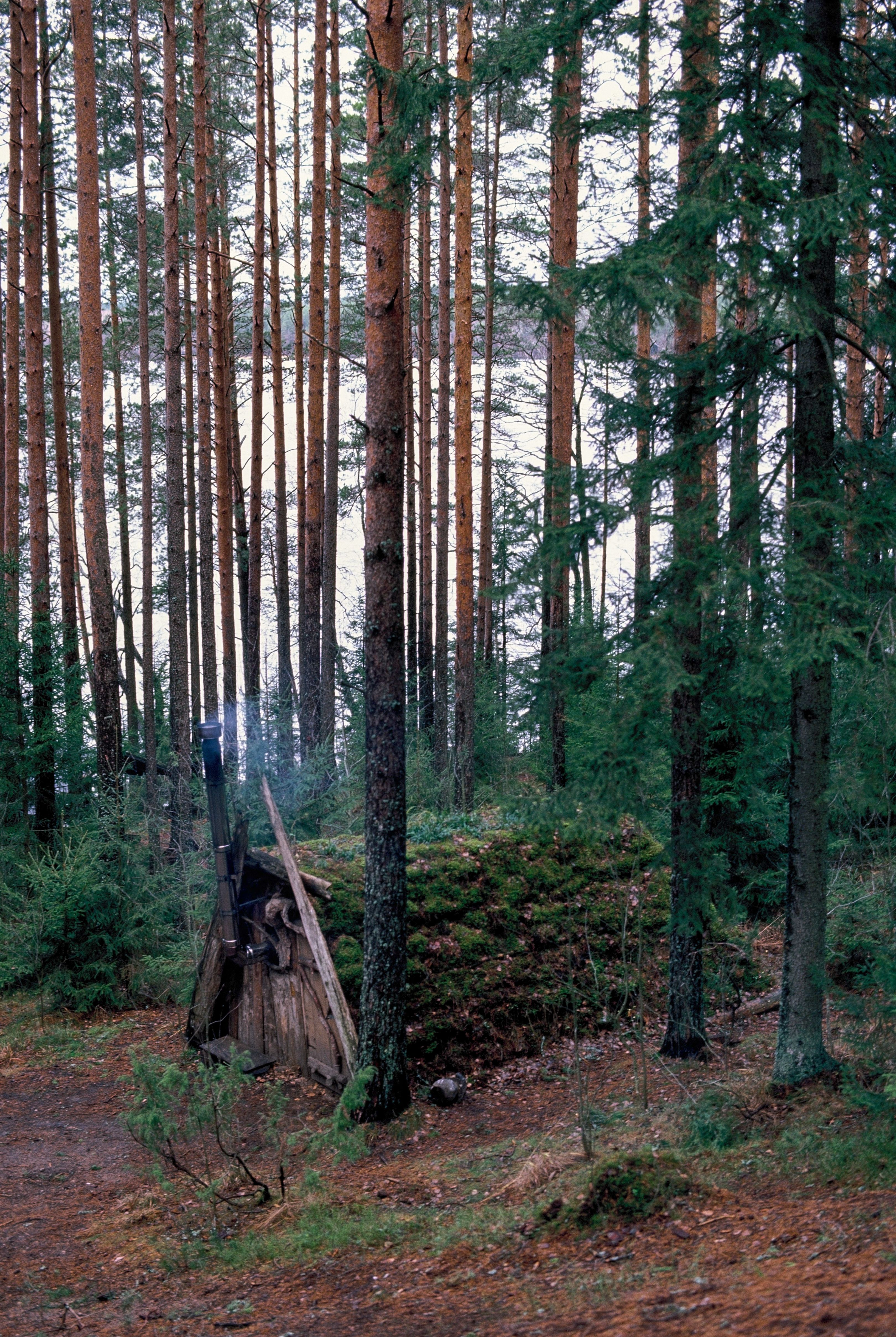
The lemur in its hibernaculum, the bear in its den. Time is a pattern of fast and slow for the Hibernator. The fast time of summer to the slowing time of fall, and the near-still drawl of winter. Hibernation is shut down.
Late summer. A man walks into a burger joint and eats fifteen whoppermacs, a tray-load of fries, and washes it all down with a gallon and a half of refill soda. He’ll be back for dinner. This is hyperphagia.
Glut. Our bear-man needs 15,000 kcal a day, so he will feed from daybreak to sundown. It takes vast quantities of water to flush out the toxins this gorging generates. In the streets, men stop at every wall, shopfront, lamppost, in every alleyway, beneath every tree, and there they piss and wee and whiz up to three gallons a day, washing out nitrogenous waste. The streets stink. The pee dries in the sun and reeks and sticks. Women squat. Children walk and spray. No time to wait to reach a toilet. Too many queues, and the water bills from all that flushing. The swimming pools are a dark, cloudy green. Fights break out at the butcher’s over the fattiest meats. The fishmonger’s is a nightmare of queues and fisticuffs. Sushiman is pulling triple shifts.
By late fall, the feast is over, and heavy, heaving, jelly-fleshy men and women move slowly, think slowly, sit and wonder, slouch and doze while raising buckets of water to their swollen faces. Lethargy. Twenty hours a day in front of the TV: reruns, reality shows, salmon documentaries, huntsman horror flicks. This is wind-down, counting down the light, as the darkness grows. On the sofa, Papa bear-man, Momma bear-woman, and the cub-kids watch through blank eyes. The studio audience is laughing, has been laughing for ages, long and protracted, a gurgle, like a river, and now no one can remember what was funny, and it takes them ages to stop, like a train with bad brakes. They yawn. It’s time to den down.
November. Silence. The shutters are drawn, the doors closed, the lights all off. Not a thing stirs in the streets. The shops have shut for the season. The dark tarmac and empty sidewalks wait for the first snow.
December. The blizzards whistle under doors and through chinks in the boards. The wind creaks. But these are not deep Hibernators; they can be roused and woken. Body temperature stays constant, though the heart slows to between eight and twenty beats a minute. The lungs fill once every forty-five seconds. They sleep and burn fat. But theirs is not one batlike unbroken sleep. The mommas will give birth during hibernation. They take it all in their slumbering stride. They wake up, pop a cub, stick a tit in it, then roll over and go back to sleep. They may dream of spring. They may not dream at all.
Biochemical seasons. The hemogram tree-bough changes colors. It greens up, withers, and sheds. Creatinine bloom is vernal, a profusion of fatty acids. Time is chemical.
For the first two weeks after wake-up, our people-bears will eat and drink little, though the supermarkets fill their shelves and start hiring. The restaurants begin to open, placing tables out on the sidewalks. Still, the sleepwalkers can’t be tempted as they edge back into old routines. Gym membership soars. Pole dancing and Pilates classes are in high demand. Little bear camps open for summer adventures. Life swells. Time is muscular and lean. Heart rates reach a hundred bpm. Winter is a distant memory, and night is hounded now from either end. The flames of dusk lick at its feet, and dawn bursts early from its egg-like skull. Summer is no time for night. Summer has no time for night. Time is hormones. Time is melatonin.
Not all winters fall in winter. Hibernus, the winter guardian, has a will of its own. Hibernus has tail fins and jaws.
~Excerpt from Hibernaculum by Anthony Doyle~